
The home environment has a direct effect on how you feel, how well you sleep, how focused you are during the day and how easily you decompress in the evening. Most of that effect comes from three things: what you see, what you hear and what you breathe.
Smart home technology is now capable of managing all three, automatically and in ways that respond to the time of day, who’s in the space and what the space needs to be doing at that moment. Done properly, it runs quietly in the background without requiring any conscious input from the people living in it.
Lighting: Natural and Artificial Working Together
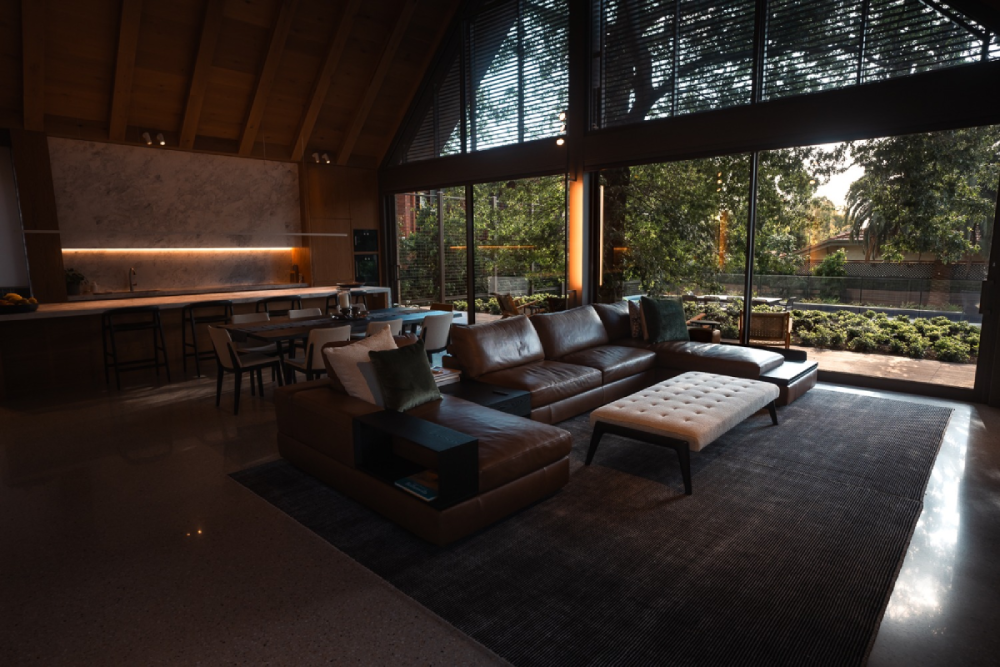
Light has a more significant effect on the body than most people realise. Natural light regulates the circadian rhythm, the internal clock that governs sleep cycles, energy levels and mood. When the light environment in a home doesn’t support that rhythm, it shows up as poor sleep, low energy and a general sense that the space doesn’t feel quite right.
Smart bespoke lighting control systems can manage both natural and artificial light as part of the same solution. Automated window coverings adjust throughout the day based on the intensity of available natural light, opening to allow more in when levels are low, closing to sheers when outside light becomes too harsh. Privacy settings and time-of-day schedules are factored in automatically.
Beyond comfort, this also protects the home itself. Direct sunlight carries UV that degrades artwork, furniture, flooring and fabric over time. Dynamic control of window coverings manages this without any intervention from the occupants.
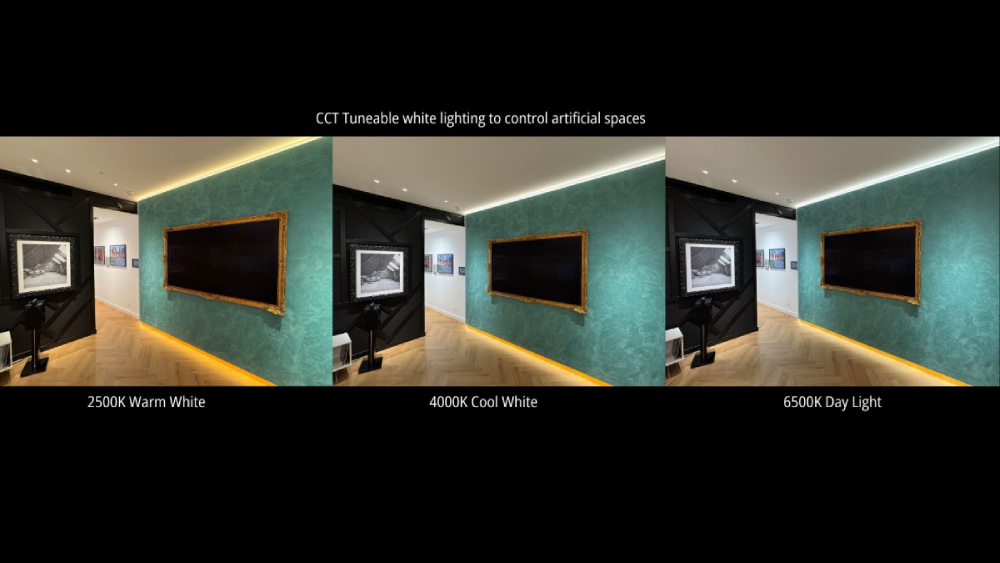
Where natural light isn’t available or isn’t sufficient, tunable white lighting fills the gap. Colour temperature adjusts across the day from cooler, brighter tones in the morning that support alertness and focus to warmer, dimmer tones in the evening that signal to the body that it’s time to wind down. This mimics the natural progression of daylight and supports the circadian rhythm even in rooms without direct sun.
Audio: How Sound Shapes the Feel of a Space
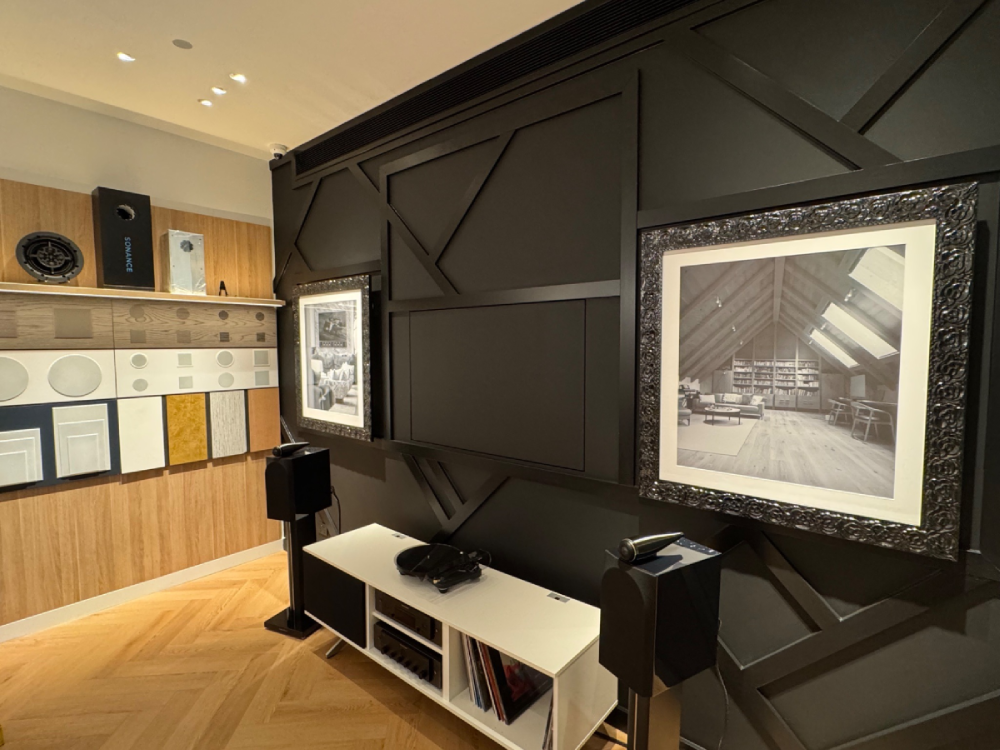
Walk into a day spa and the effect is almost immediate. The pace of movement slows, the voice drops, the body begins to decompress. A significant part of that response comes from sound.
Music affects behaviour in ways that most people recognise instinctively but rarely think about deliberately. The wrong audio environment for the wrong moment can be as disruptive as no audio at all. The right one can shift the entire feel of a space within seconds.
A properly designed multiroom audio system makes it possible to tie audio to time of day, to user profile and to what the space is being used for at that moment. Morning playlists can be brighter and more energising. Evening playlists can be quieter and more settled. The system switches automatically rather than depending on someone remembering to change it.
Coverage matters as much as content. Transitional spaces like hallways and utility rooms are as important as the main living areas. If the audio environment drops out the moment someone moves between rooms, the effect is broken. A consistent, even sound level throughout the home is what allows the mood to carry from one space to the next without interruption.
Air Quality and Scent: The Overlooked Dimension
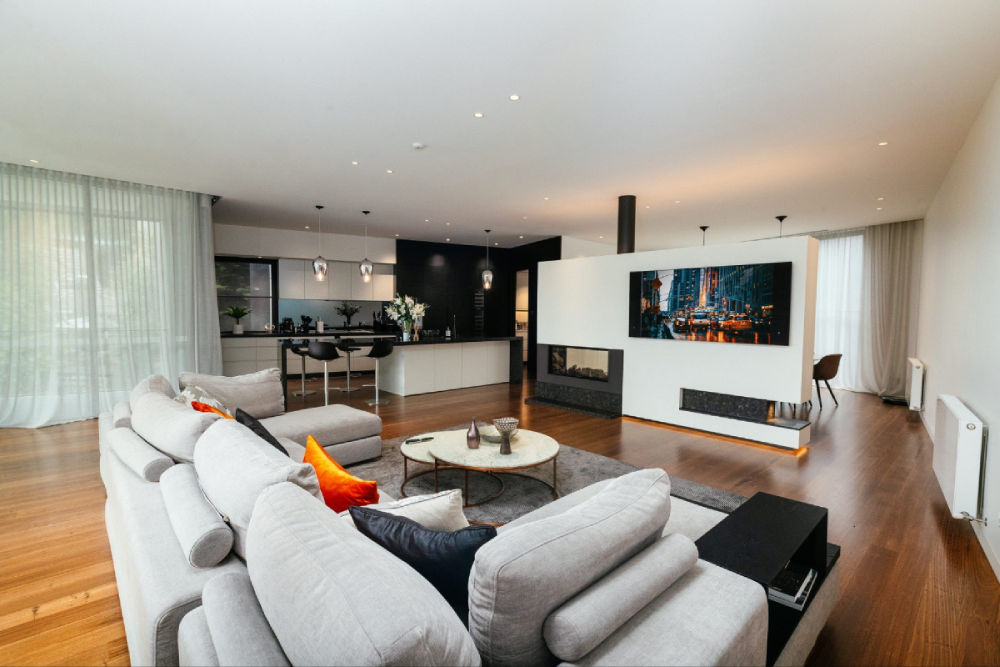
Air quality is the area most often overlooked in a home technology brief, and it has a more direct effect on comfort and focus than most people expect.
Air quality sensors integrated into the home automation system can monitor conditions inside and outside the home in real time. On days when outside air quality is superior to inside, automated window openers can introduce fresh air without any manual intervention. When outside conditions are poor, whether from pollen, smoke, dust or humidity, the system holds the home closed and relies on mechanical fresh air systems with filtration to maintain air quality internally.
Scent is newer territory and, as Michael notes, probably underexplored in the residential space. It’s also the most personal of the three senses, which means it needs to be handled carefully. Strong or polarising scents in a shared living environment tend to divide rather than unite. Lighter, more neutral scent notes, relaxing in the evening, fresh and subtle in the morning, can complement what the lighting and audio are already doing without drawing attention to themselves.
The effect of scent on mood is well documented. The appetite response triggered by the smell of food cooking is one of the more familiar examples. Applied deliberately and subtly in a residential context, scent becomes another lever for creating an environment that genuinely supports how people feel in the space.
Frequently Asked Questions
What is circadian lighting in a smart home?
Circadian lighting refers to an automated lighting system that adjusts colour temperature and brightness throughout the day to support the body’s natural sleep-wake cycle. Cooler, brighter light in the morning supports alertness. Warmer, dimmer light in the evening signals the body to begin winding down.
Can smart home technology protect artwork and furniture from sun damage?
Yes. Automated window coverings integrated into a smart home system can be programmed to limit direct sunlight exposure based on time of day and UV intensity, protecting artwork, flooring, furniture and fabric from long-term degradation.
How does multiroom audio support wellbeing at home?
A multiroom audio system tied to a home automation platform can deliver music that shifts automatically based on time of day and user profile, creating an environment that supports focus in the morning, relaxation in the evening and smooth transitions between the two without requiring manual input.
Is scent integration actually available in a residential smart home?
Yes, though it’s still an emerging application. Scent diffusion systems that integrate with home automation exist and can be programmed to match lighting and audio scenes. The most effective residential applications use subtle, non-polarising scents rather than strong signature fragrances.
Does a wellbeing-focused smart home system need to be managed constantly?
No. The goal of a properly designed system is that it runs automatically based on time of day, occupancy and user profiles. The occupant benefits from the environment without needing to actively manage it.
Our showroom in the Yarra Valley has working examples of lighting, audio and smart home wellness technology on display, so you can experience how these systems actually feel before committing to anything. Book a private showroom experience to see what’s possible for your home.