
A dynamic space is one designed to change. Not just in how it looks, but in how it sounds, feels and functions, responding to the time of day, the number of people using it and what the space is actually being used for at that moment.
For architects and interior designers working on high-end residential and commercial projects, this is one of the most significant shifts in how integrated technology now supports architectural intent. The room doesn’t have to be fixed. With the right systems designed in from the start, it can be anything it needs to be.
The Problem with Fixed Layouts
Most technology systems are still designed around a single, permanent room layout. Speakers go here. Lights go there. The control panel lives on that wall.
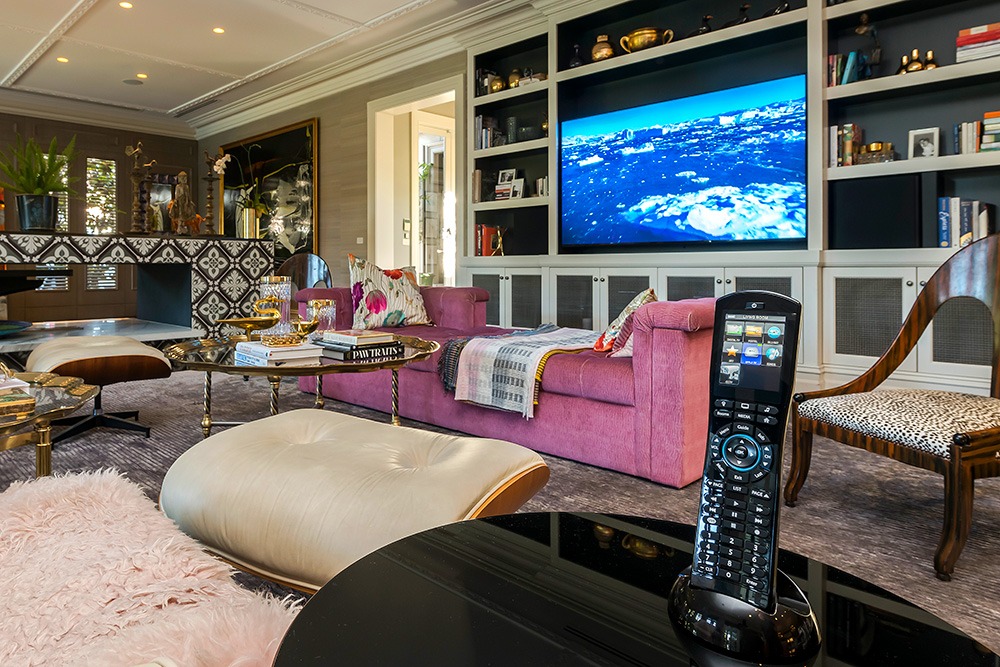
That approach works until the brief changes. A client wants to repurpose a space, rearrange a floor plate, or rotate the function of a room between different uses throughout the week. With a conventional system, any significant change usually means physical works, recabling or calling back the integrator.
This is where most projects fall short, not because the design was wrong, but because the technology wasn’t built to flex.
How Smart Technology Makes a Space Truly Flexible
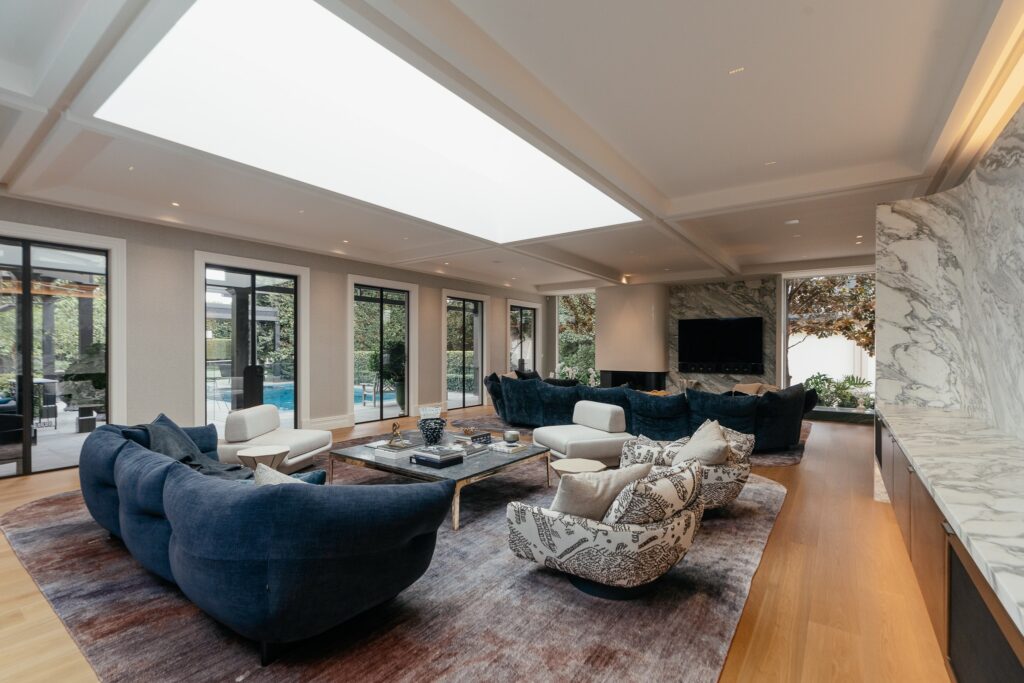
Individually addressable lighting systems remove the fixed-zone problem entirely. Every single light in the system can be reprogrammed, regrouped and remapped to suit a completely different layout without touching a single cable or wall plate. What was a single large zone becomes two separate spaces. What lit a boardroom now lights a hospitality area. The change happens in software, not in the ceiling.
Networked multiroom audio works the same way. Addressable speaker systems can be re-zoned to follow a new layout, with each zone independently controlled for level, source and timing. A space that previously ran as one audio environment can be split, recombined or reprogrammed to match wherever the furniture now sits.
Control panels and touchscreens are just as flexible. Interface layouts, button assignments and scene labels can all be reprogrammed to reflect a new room purpose without replacing the hardware.
Multi-Mode Profiles for Spaces That Alternate Between Uses
Some spaces don’t just change occasionally. They alternate between two or three defined configurations on a regular basis, a training room that becomes a dining space, a showroom that converts to a private cinema, a meeting space that transforms into an event venue.
For these, multi-mode profiles are the right solution. Rather than manually adjusting every system each time the room changes, a single command triggers a complete transformation. Lighting shifts to the correct scene, audio zones reconfigure, climate adjusts to suit the expected occupancy and all interface controls relabel themselves for the new function.
The room reacts instantly. Nothing needs to be touched individually.
This is how a properly integrated smart home system or commercial control platform should behave: the technology serves the space, not the other way around.
Designing for Flexibility from the Start
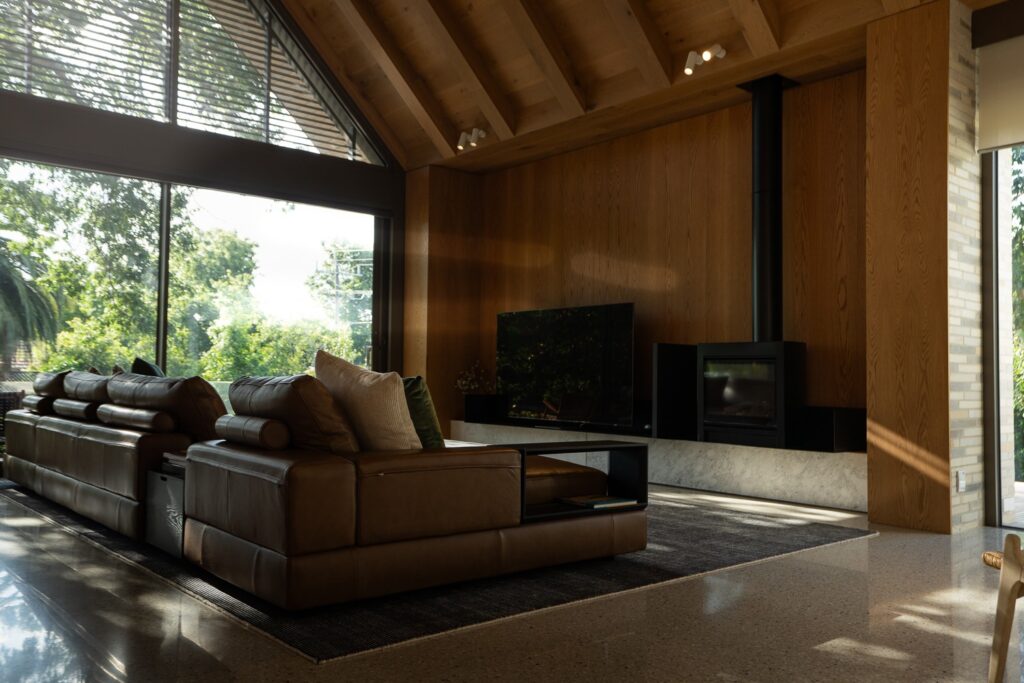
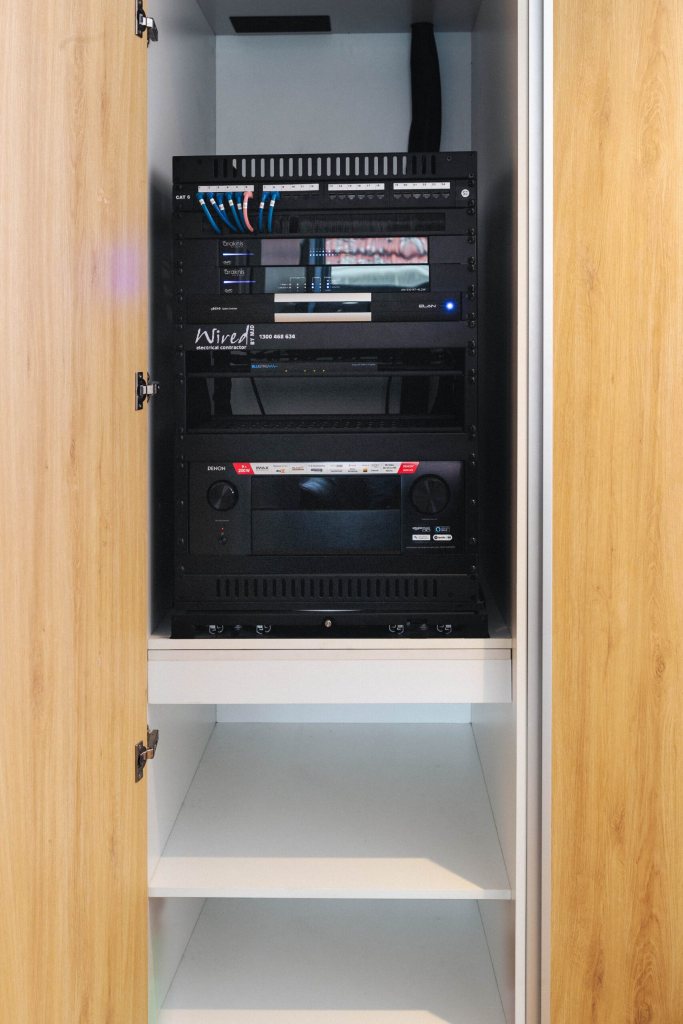
The most common mistake in multipurpose space design is treating the technology as something to be sorted out after the architecture is locked in. By that point, the decisions that would have made the space genuinely flexible have already been made in the wrong direction.
Addressable systems, networked audio infrastructure and flexible control architecture all need to be considered at the design stage, not during fitout. The cabling strategy, the lighting grid layout, the position of control nodes, all of these affect how much flexibility the finished space actually has.
Our solutions engineering team works alongside architects and designers from the earliest stages of a project, specifically because the decisions that matter most are made before construction begins. A multipurpose space designed properly from the start costs no more to build than a fixed one. It just requires the right conversations at the right time.
Frequently Asked Questions
What is a dynamic multipurpose space?
A dynamic multipurpose space is one designed to adapt its function, feel and configuration based on how it’s being used. With the right integrated technology, this happens automatically or at the press of a button, without physical modifications to the room.
Can lighting zones be changed without rewiring?
Yes. Individually addressable lighting systems allow every light to be reprogrammed, regrouped and remapped in software. A layout change doesn’t require physical works, recabling or replacing any hardware.
What is a multi-mode control profile?
A multi-mode control profile is a pre-programmed configuration stored in the control system. When activated, it simultaneously adjusts lighting, audio, climate and interface layouts to match a specific room function. A space can switch between multiple defined modes instantly.
When should technology be integrated into a multipurpose space design?
As early as possible. The decisions that determine how flexible a finished space can be, cabling strategy, lighting grid, control node positions, are made at the design stage. Technology added after construction is almost always a compromise.
Does a flexible technology system cost more to install?
Not necessarily. Addressable and networked systems are priced on specification, not on the number of zones or configurations they support. The cost of genuine flexibility is usually in the design and programming, not the hardware itself.
Working on a project that needs to do more than one thing well? Our team works alongside architects and interior designers from concept through to commissioning. Get in touch to talk through what’s possible for your space